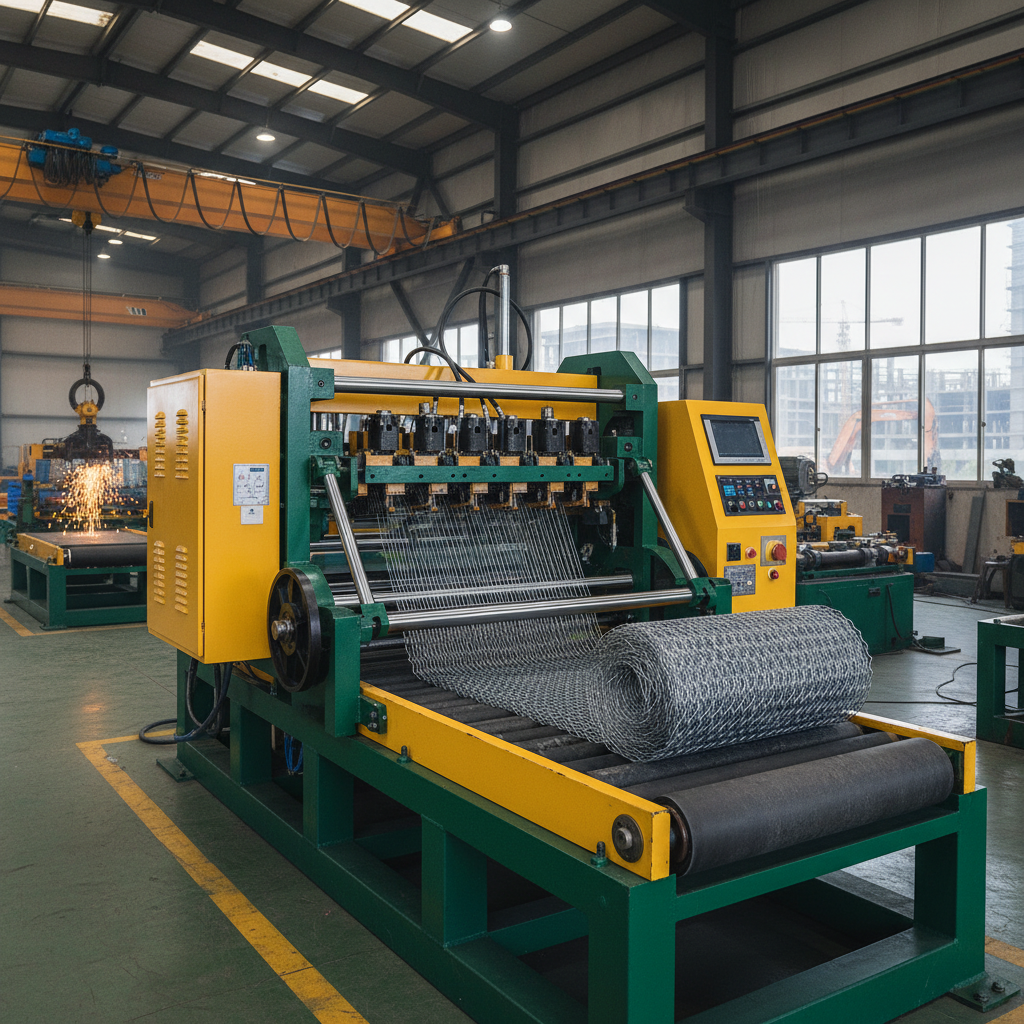
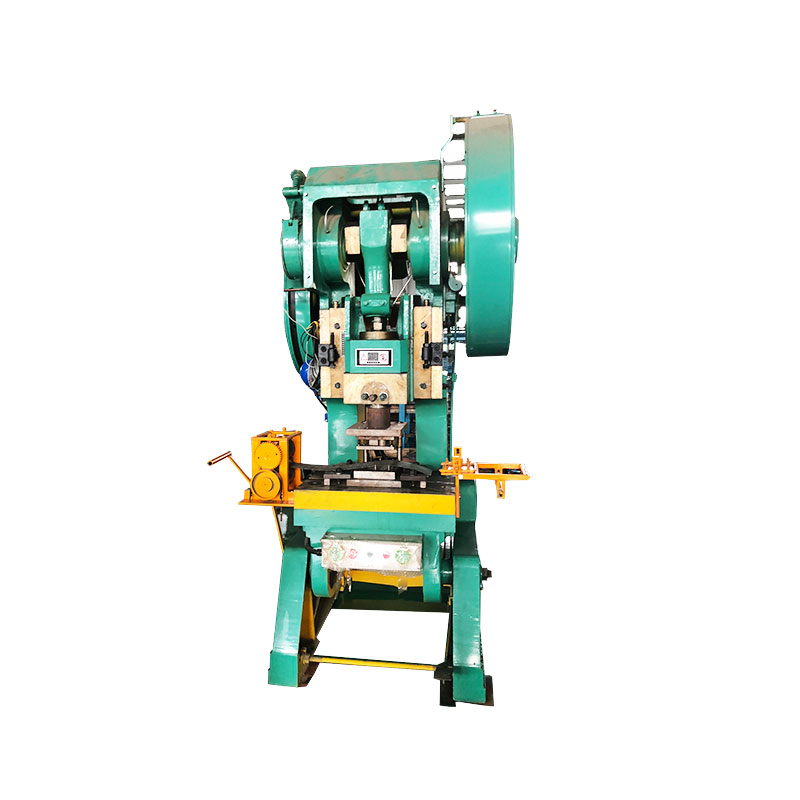
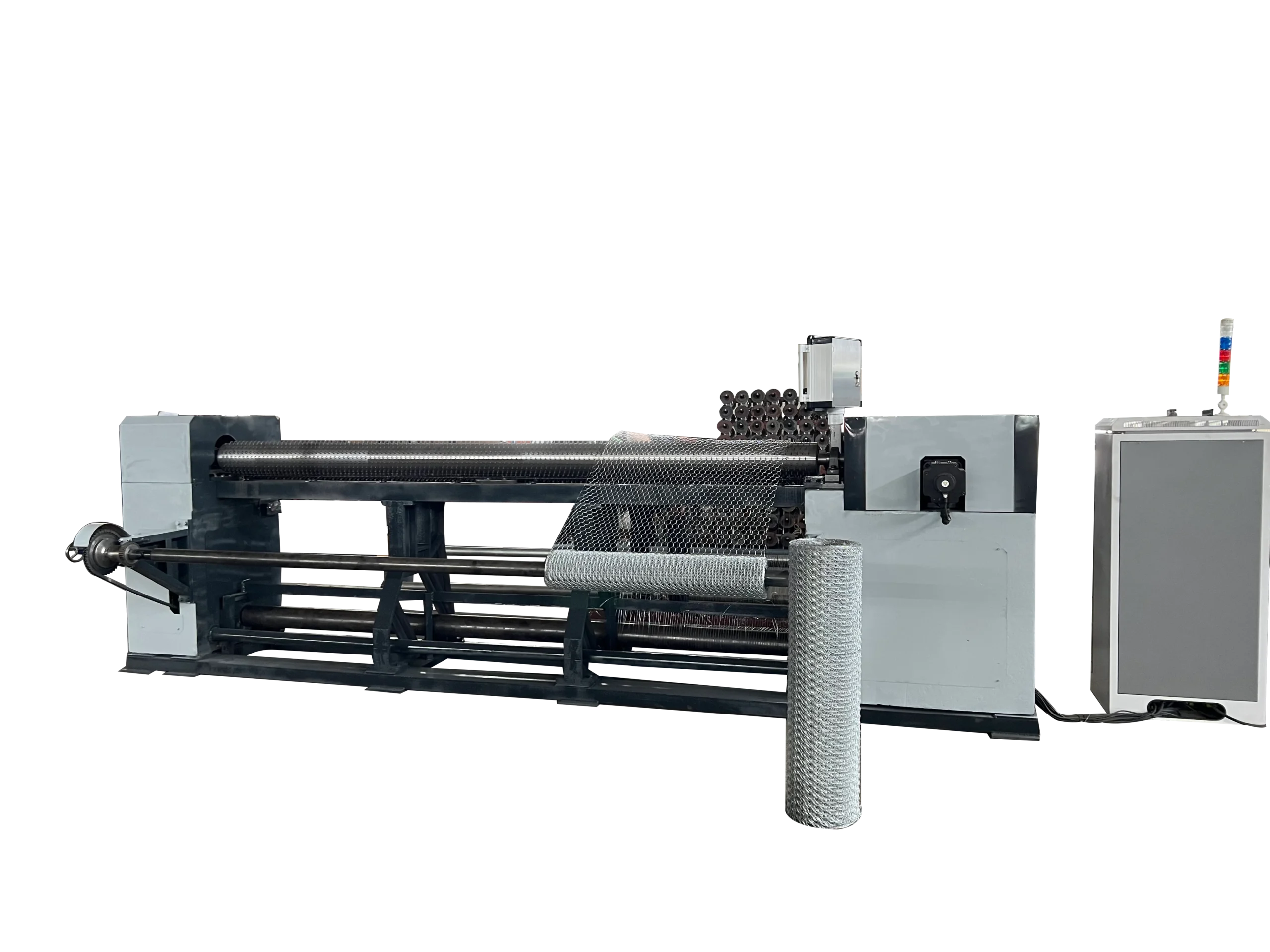
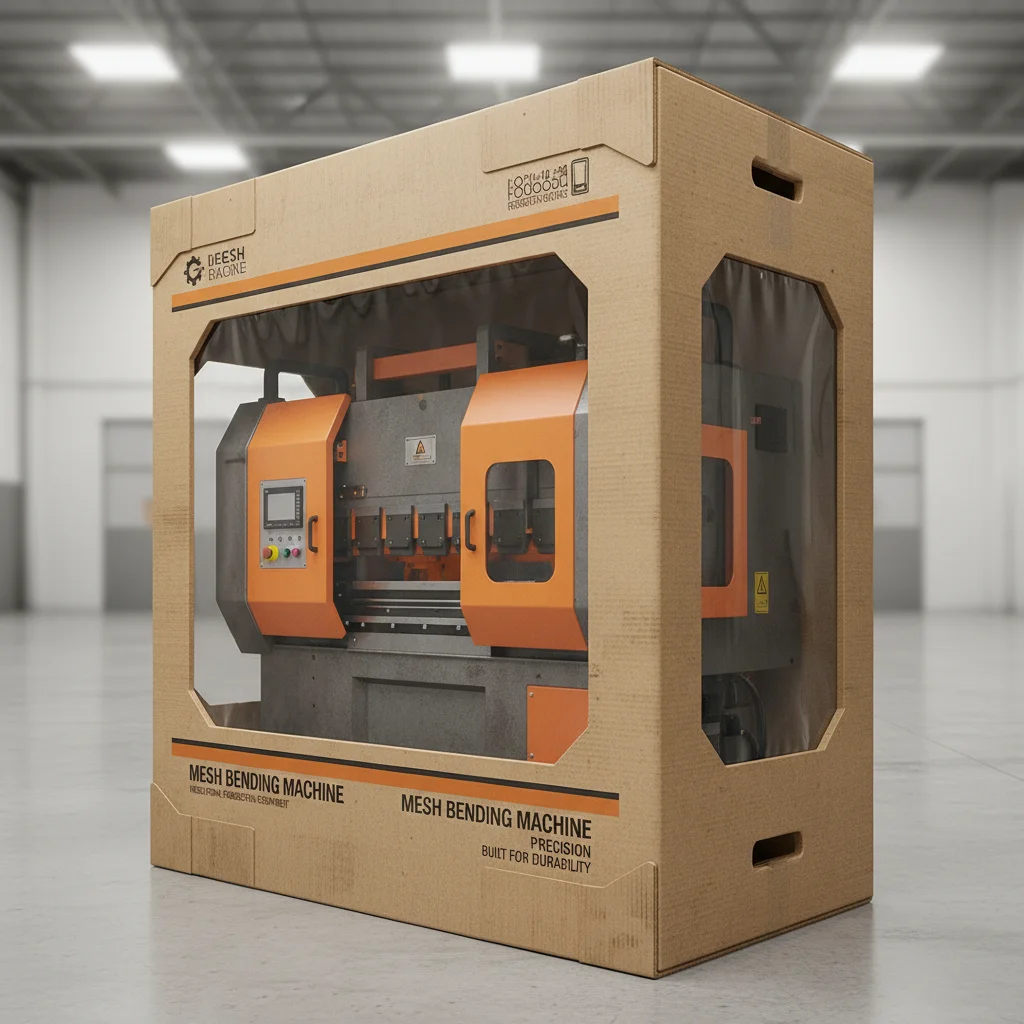
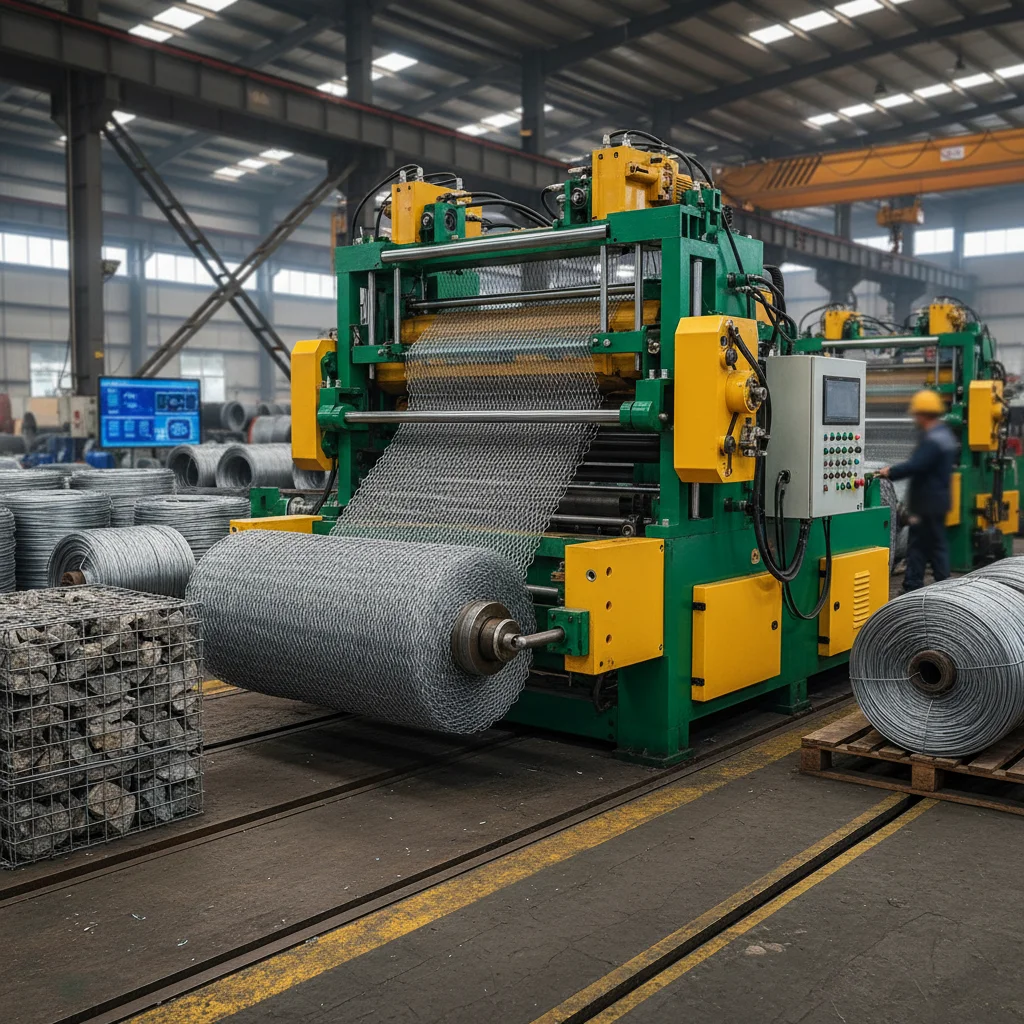
The industrial landscape of wire mesh production has undergone a significant transformation with the introduction of the advanced hexagonal wire mesh machine. This specialized equipment is designed to weave galvanized or steel wire into the iconic "chicken wire" pattern, providing a flexible yet durable solution for fencing, erosion control, and agricultural containment globally. Understanding the mechanics and efficiency of these machines is crucial for manufacturers looking to scale their output while maintaining rigorous structural standards.
From a global perspective, the demand for hexagonal wire mesh is driven by the need for cost-effective perimeter security and sustainable civil engineering projects. Whether it is used in poultry farming in Southeast Asia or for slope stabilization in the mountainous regions of Europe, the reliability of the hexagonal wire mesh machine ensures that the resulting mesh possesses the necessary tensile strength and geometric consistency to withstand environmental stressors.
By integrating precision engineering with automated controls, modern weaving technology has solved many of the legacy challenges associated with manual twisting and uneven mesh sizing. For stakeholders in the metal wire industry, investing in high-performance machinery is no longer just about increasing volume; it is about achieving the E-E-A-T (Experience, Expertise, Authoritativeness, and Trustworthiness) standards required to compete in a globalized market where quality certification and material efficiency are paramount.
Global Industry Relevance of Hexagonal Wire Mesh Machines
The global market for wire mesh is intricately linked to the expansion of infrastructure and agriculture. According to international trade data, the utilization of a hexagonal wire mesh machine has become essential in emerging economies where livestock protection and basic boundary marking are critical for food security. The ability to produce large quantities of lightweight, flexible mesh allows for rapid deployment in remote areas where traditional concrete or heavy steel fencing is logistically impossible.
Furthermore, the adherence to ISO standards in the manufacturing of these machines ensures that the mesh produced is uniform, reducing material waste and increasing the lifespan of the final product. As urban sprawl continues and the need for specialized containment grows, the precision provided by an automated hexagonal wire mesh machine addresses the challenge of balancing low production costs with high structural integrity.
Technical Definition and Industrial Purpose
At its core, a hexagonal wire mesh machine is a specialized piece of industrial equipment that twists and weaves metal wire into a continuous hexagonal pattern. Unlike rectangular welding, this machine relies on a twisting mechanism that creates a flexible, interlocking structure. This geometric configuration is mathematically superior for absorbing impact and conforming to irregular terrains, making it the gold standard for Gabion baskets and poultry enclosures.
The industrial purpose of this machinery extends beyond simple fencing. It is an essential tool for humanitarian and environmental efforts, such as preventing soil erosion in landslide-prone regions. By utilizing a high-capacity hexagonal wire mesh machine, companies can provide the raw materials needed for large-scale geo-textile reinforcements that protect critical infrastructure and human settlements.
In the context of modern manufacturing, these machines represent the bridge between traditional metallurgy and automated precision. By controlling the wire tension and the twist angle, the operator can determine the exact aperture size and strength of the mesh, ensuring that the end product meets the specific requirements of the client, whether it be for lightweight garden use or heavy-duty industrial filtering.
Core Engineering Components for High Performance
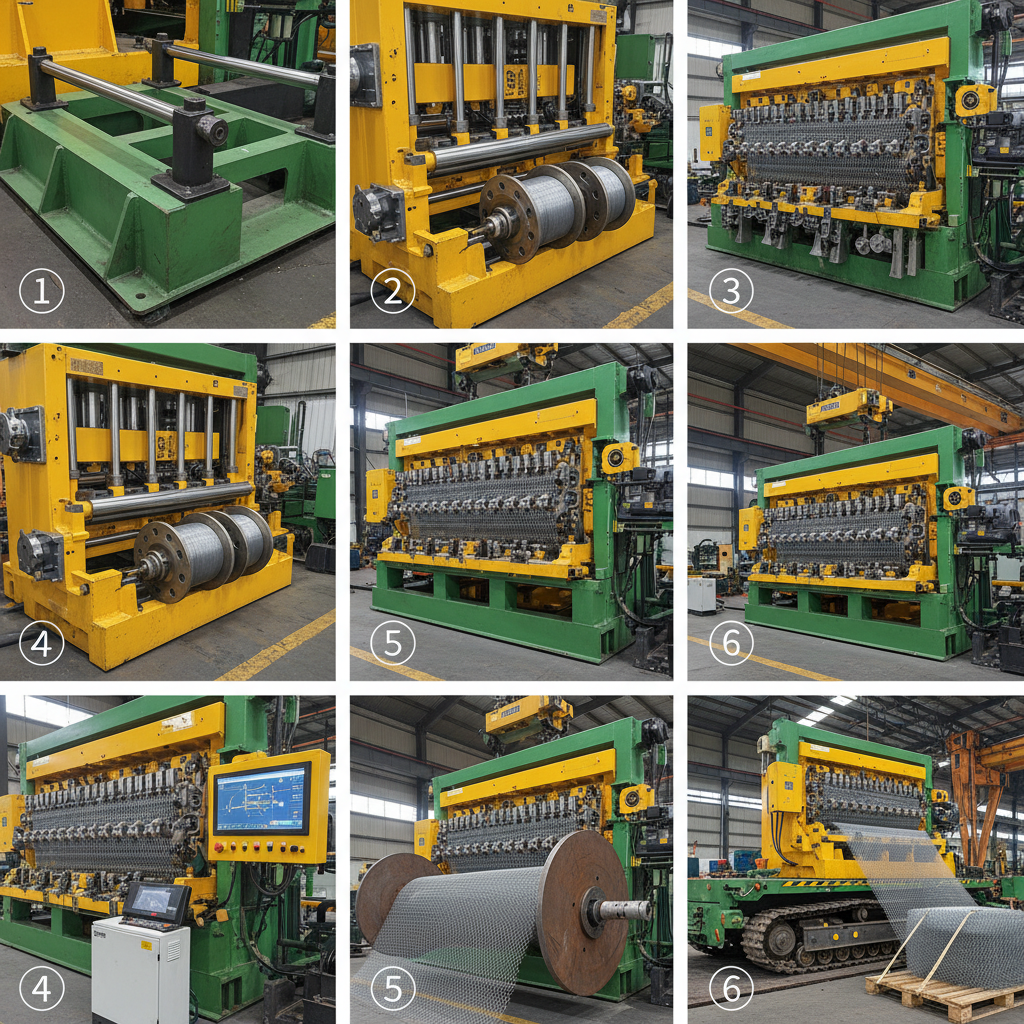
The operational excellence of a hexagonal wire mesh machine depends on several critical engineering factors. First is the Twisting Mechanism, which must be synchronized perfectly to ensure the hexagonal cells remain uniform. Any deviation in the twist angle can lead to structural weaknesses or "runs" in the mesh, compromising the overall quality.
Secondly, Material Feed Precision is vital. A high-end hexagonal wire mesh machine incorporates advanced tension control systems that prevent the wire from snapping or sagging during high-speed production. This ensures a consistent mesh density, which is critical for applications requiring specific permeability or filtration levels.
Finally, Durability and Scalability are achieved through the use of hardened alloys in the machine's wearing parts. Since these machines handle abrasive galvanized wires, the longevity of the rollers and cutters determines the total cost of ownership. A scalable hexagonal wire mesh machine allows manufacturers to switch between different wire gauges and mesh sizes with minimal downtime.
Comparative Analysis of Production Efficiency
When evaluating the ROI of wire weaving equipment, production efficiency is the primary metric. Modern hexagonal wire mesh machine models have drastically reduced the man-hours required per kilometer of mesh. By automating the winding and cutting processes, these machines eliminate the bottlenecks associated with manual handling.
Comparing different technological approaches reveals that fully automated systems offer significantly higher consistency than semi-automatic variants. The integration of PLC (Programmable Logic Controllers) allows for real-time adjustments, ensuring that the hexagonal wire mesh machine maintains a steady output even when switching raw material batches.
Performance Comparison of Hexagonal Wire Mesh Machine Models
Global Applications and Sector-Specific Use Cases
The versatility of the mesh produced by a hexagonal wire mesh machine makes it indispensable across multiple sectors. In the agricultural industry, it is the primary choice for poultry runs and small animal enclosures due to its ability to be bent and shaped around natural obstacles without losing its structural integrity.
In civil engineering, the "Gabion" method relies heavily on these machines. By filling large hexagonal mesh cages with stone, engineers create gravity retaining walls that are both permeable and incredibly strong. This application is widely used in riverbank stabilization and highway construction across Asia and Africa, where a reliable hexagonal wire mesh machine is required to produce heavy-gauge, zinc-coated mesh.
Long-Term Economic and Sustainable Value
Investing in a high-quality hexagonal wire mesh machine offers profound long-term economic advantages. Beyond the immediate increase in production speed, the reduction in material waste—achieved through precise cutting and weaving—significantly lowers the cost per unit. This allows manufacturers to offer more competitive pricing while increasing their profit margins.
From a sustainability perspective, the ability to use recycled steel wire in a hexagonal wire mesh machine promotes a circular economy. Because the hexagonal structure is efficient in its use of material (providing maximum coverage with minimum wire weight), it reduces the overall carbon footprint associated with metal transport and smelting.
Moreover, the social impact cannot be overlooked. By enabling the local production of fencing and erosion control materials, these machines empower regional economies to build their own infrastructure without relying on expensive imports. This fosters local innovation and provides employment opportunities in the specialized field of machine operation and maintenance.
Future Innovations in Automated Weaving Technology
The future of the hexagonal wire mesh machine lies in the integration of Industry 4.0 technologies. We are seeing a shift toward "Smart Weaving," where IoT sensors monitor wire tension in real-time and automatically adjust the machine settings to prevent breakage. This predictive maintenance reduces downtime and ensures a zero-defect production line.
Material science is also evolving. New coating technologies, such as advanced polymer coatings applied after the weaving process, are extending the lifespan of the mesh in highly corrosive saline environments. The next generation of the hexagonal wire mesh machine will likely be capable of handling these new composite materials, offering even greater flexibility and strength.
Finally, we expect to see more energy-efficient motors and drive systems. By reducing the electricity consumption of the hexagonal wire mesh machine, manufacturers can further lower their operational costs and align with global green energy initiatives, making the production of wire mesh more eco-friendly than ever before.
Technical Analysis of Hexagonal Wire Mesh Machine Evolution
| Technology Era |
Control System |
Production Speed |
Material Waste Rate |
| Mechanical Era |
Manual Levers |
Low (1-3 m/min) |
High (8-12%) |
| Semi-Auto Era |
Electric Switch |
Medium (4-7 m/min) |
Moderate (5-7%) |
| PLC Era |
Digital Logic |
High (8-15 m/min) |
Low (2-4%) |
| IoT Integration |
Remote Sensing |
Very High (15-25 m/min) |
Minimal (1-2%) |
| Smart AI Era |
Adaptive Learning |
Ultra High (25+ m/min) |
Near Zero (<1%) |
| Eco-Drive Era |
Energy Optimized |
High Stability |
Optimized (1-2%) |
FAQS
Choosing the right machine depends on your intended output volume and wire gauge requirements. If you are targeting the poultry market, a medium-speed machine with flexible aperture settings is ideal. For civil engineering projects (Gabions), you will need a heavy-duty hexagonal wire mesh machine capable of processing thicker galvanized wires. Always consider the PLC capabilities for long-term scalability.
A professional-grade hexagonal wire mesh machine can last 10-20 years if maintained correctly. The key is the regular lubrication of moving parts and the timely replacement of wear components like cutting blades and guiding rollers. Using high-quality alloy steel in the machine construction significantly extends this lifespan.
Yes, most modern machines are designed to handle galvanized, PVC-coated, and stainless steel wires. However, the tension settings must be adjusted based on the coating's friction coefficient. High-end machines often have pre-set profiles for different materials to ensure a seamless transition without damaging the coating.
With modern PLC interfaces, the learning curve is much shorter. Basic operation requires minimal training, though "fine-tuning" for perfect mesh geometry requires a few weeks of experience. Most suppliers provide comprehensive training and manuals to ensure operators can maximize efficiency and safety.
Automation significantly lowers the cost per meter by reducing labor expenses and material waste. A fully automated hexagonal wire mesh machine ensures that every roll is identical, reducing the rate of rejected products and allowing manufacturers to pass those savings on to the customer.
The most common issues include wire misalignment due to tension fluctuations and wear and tear on the twisting heads. Regular inspection of the wire feed system and ensuring the machine is level on the factory floor can prevent 90% of these common operational glitches.
Conclusion
The evolution of the hexagonal wire mesh machine has transitioned from simple mechanical twisting to sophisticated, AI-driven production. By focusing on precision engineering, material efficiency, and versatility, these machines have become the backbone of various industries—from sustainable agriculture to critical infrastructure stabilization. The integration of high-speed automation not only drives economic growth for manufacturers but also provides the global market with reliable, high-strength mesh solutions.
Looking forward, the industry must embrace the shift toward green manufacturing and smart integration. For businesses aiming to lead the market, investing in an advanced hexagonal wire mesh machine is a strategic move that ensures quality consistency and environmental compliance. As we move toward more sustainable urban and rural development, the role of precise wire weaving will only grow in significance. Visit our website for more information: www.htmeshmachines.com